
The global food loss problem in numbers
By 2050, the world will need to feed an estimated 9.7 billion people, with the population projected to peak at around 10.3 billion in the mid-2080s¹. Producing more food is only part of the answer — the other part is protecting what we already grow.
Today, roughly one-third of all food produced globally is lost or wasted before it can be eaten². This isn't just missed meals. It's a daily environmental and economic disaster, and one of the largest untapped levers we have against climate change and food insecurity.
Losses happen along the entire supply chain, but one stage stands out as the most critical — and the most solvable: post-harvest storage.
The hidden environmental cost of food loss
When food is lost, every resource used to produce it is lost with it — land, water, energy, and labor. According to research by the UN Food and Agriculture Organization (FAO) and the Institution of Mechanical Engineers (IMechE), annual global food losses represent:
- Water: around 550 billion m³ of freshwater used to grow crops that never reach a consumer³
- Energy: an estimated 1% to 1.5% of the world's total energy consumption⁴
- Land and yield: enough wasted production that eliminating losses could provide 60–100% more food for consumption, freeing up significant land, water, and energy resources³
- Greenhouse gas emissions: food loss and waste account for 8–10% of all human-caused greenhouse gas emissions⁵ — a larger share than the entire aviation industry
Despite this scale, food loss remains badly under-funded: historically, less than 5% of agricultural R&D investment has been directed toward reducing post-harvest losses⁶.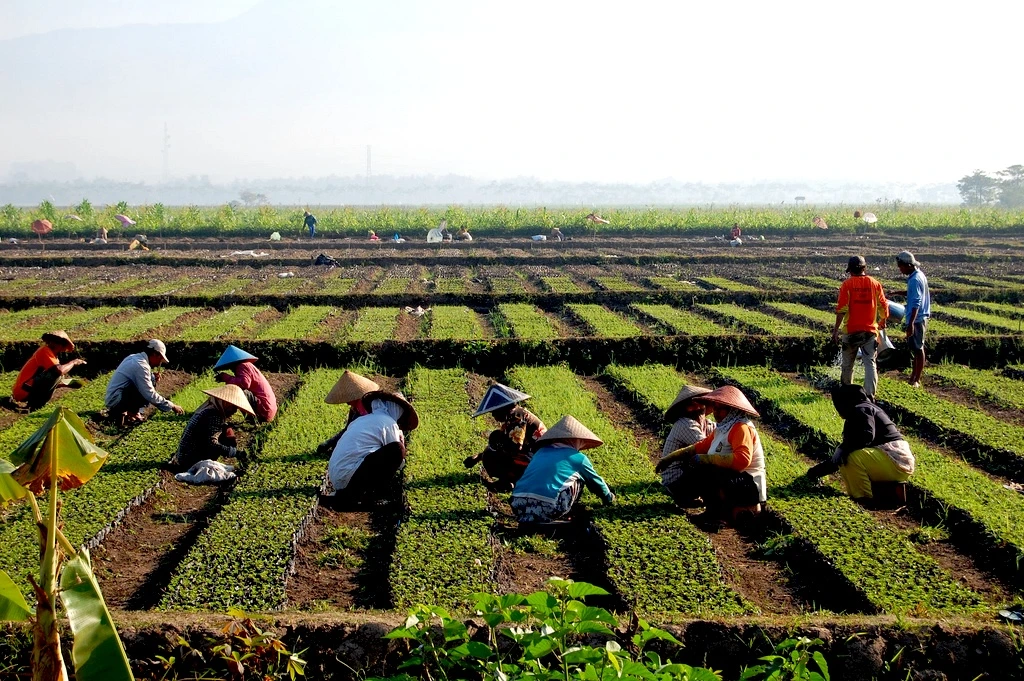
Why post-harvest storage is the critical weak point
Crops are vulnerable at every step — production, transport, distribution — but the post-harvest phase (between harvest and first transformation) is where the largest share of preventable losses occurs.
Every year, roughly 1.3 billion tonnes of food — valued at close to $1 trillion — is lost or wasted globally, with post-harvest losses representing a major share of that total²˒⁶. In sub-Saharan Africa alone, grain losses are estimated at around $4 billion per year⁶.
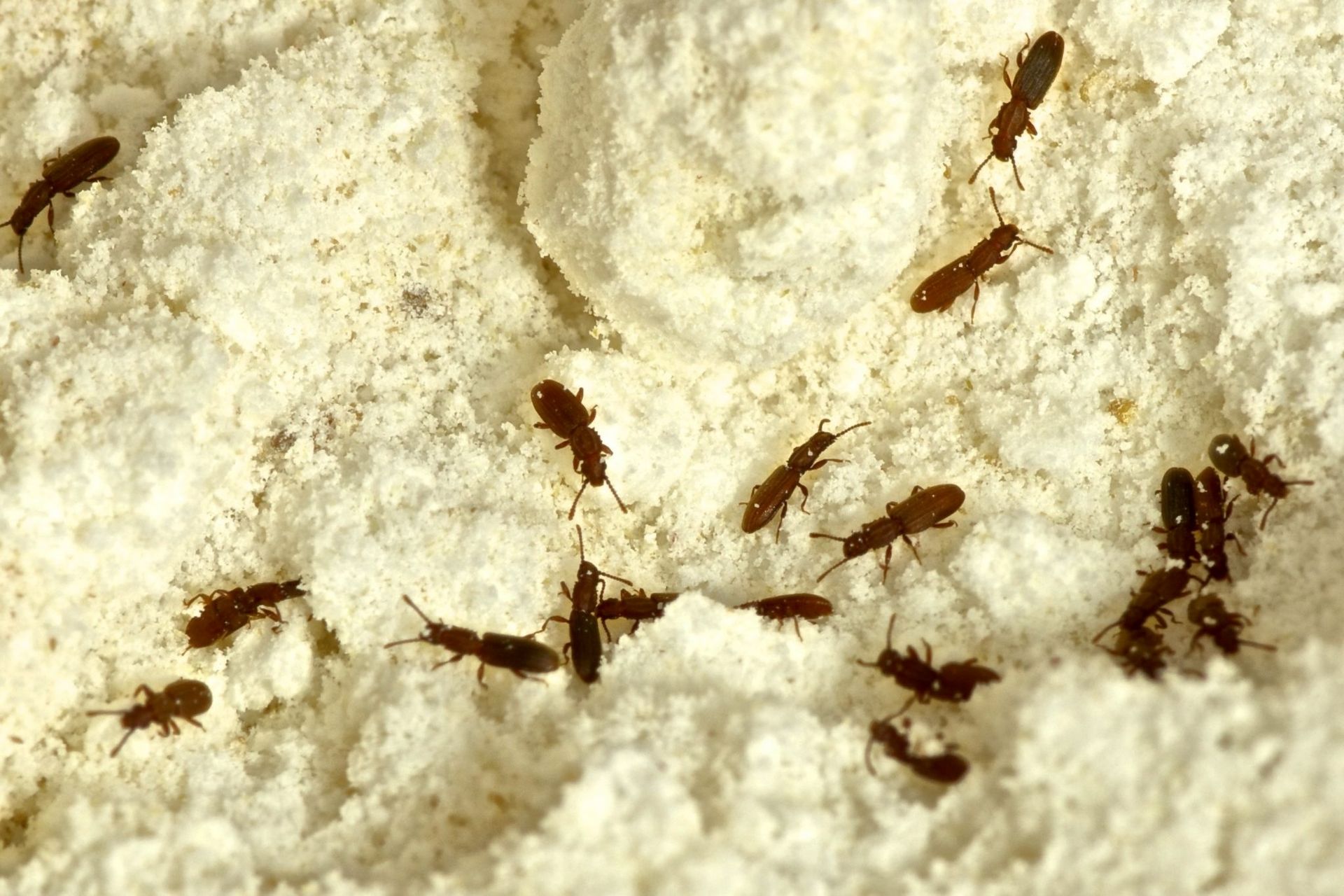
Without proper protection, stored harvests face a predictable set of threats.
What causes grain and crop spoilage during storage?
- Insect pests and rodents — infestations can destroy entire silos of grain in weeks
- Fungi and bacteria — micro-organisms cause mold, rot, and mycotoxin contamination
- Moisture and humidity — incorrect water activity accelerates decomposition
- Natural respiration and ripening — grains and produce continue to metabolize after harvest, degrading quality and nutritional value
These risks are most acute in developing regions, where limited storage infrastructure means harvests are often lost before they reach a market. But they affect industrial-scale European silos too — just in different proportions.
The path forward: smarter storage, not more pesticides
Reducing post-harvest loss is no longer optional. It's essential for food security, farmer profitability, and climate goals. And unlike many climate challenges, the technology to solve it already exists.
Controlled-atmosphere storage — in particular, CO₂-based modified atmosphere (MAP) storage — neutralizes the main spoilage factors at once:
- Insects cannot survive in a low-oxygen, CO₂-saturated environment
- Fungi and bacteria growth is suppressed
- Grain respiration slows dramatically, preserving germination rate, protein content, and flavor
- No chemical residues are left on the harvest — a major advantage for organic, seed, and food-grade supply chains
This is exactly the problem Nox Storage was built to solve. Our CO₂ modified atmosphere systems protect grain, seed, and processed agricultural products without insecticides, heat, or cold chains — preserving quality from harvest to first transformation.
Protect your harvest — and your margins
Post-harvest loss is a trillion-dollar problem, but it's also a trillion-dollar opportunity. Every tonne of grain saved is a tonne that doesn't need to be re-grown, re-irrigated, or re-transported.
Contact Nox Storage to learn how our CO₂ modified atmosphere storage solutions can protect your agricultural products, cut losses, and strengthen your bottom line.
References
3. Institution of Mechanical Engineers (2013). Global Food: Waste Not, Want Not. London: IMechE.
5. FAO & UNEP (2022). Tackling food loss and waste: A triple win opportunity.
Further reading
- FAO SDG Indicator 12.3.1 — Global Food Losses Data Portal.
- WWF (2021). Driven to Waste: The Global Impact of Food Loss and Waste on Farms
- FAO Technical Platform on the Measurement and Reduction of Food Loss and Waste.