





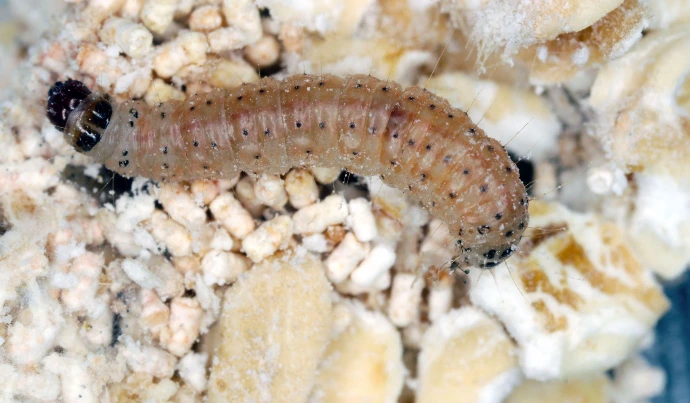
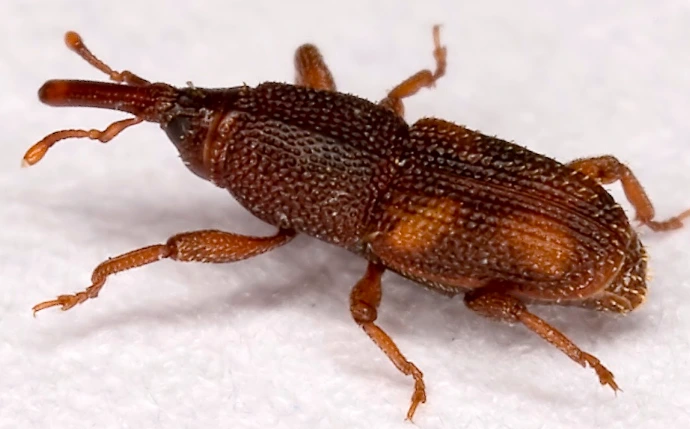
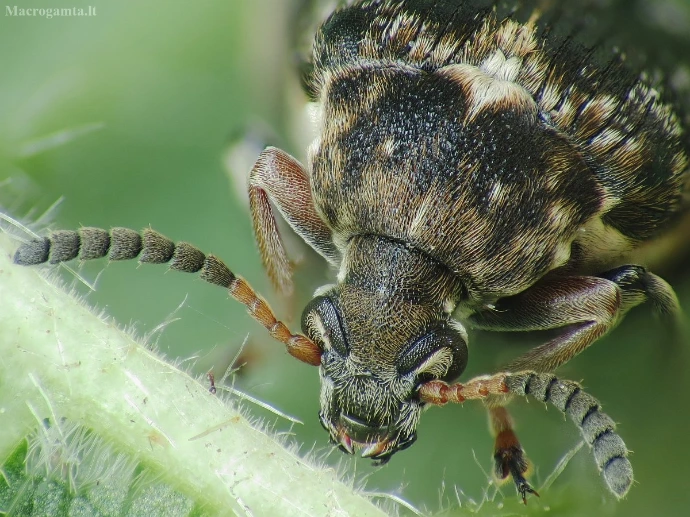
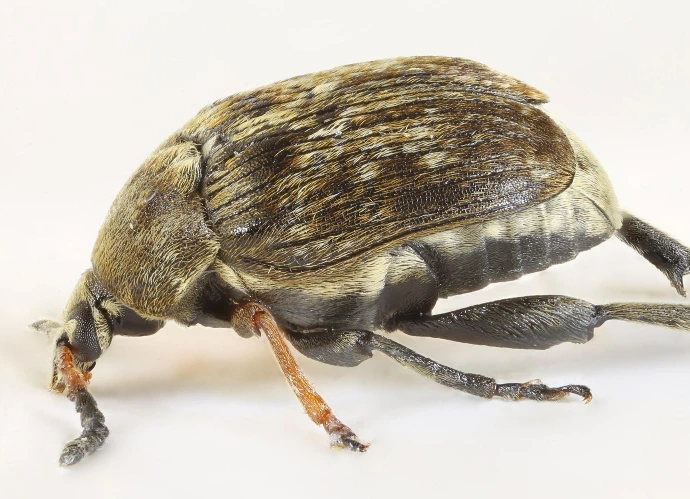
Harvest time is approaching? So are they!

The Nox® Big Bags:
a simple, quick, economical solution
Package in 5 minutes
In 5 minutes you package 1 ton of product yourself. Your harvest is quickly protected.
Zero insects, Zero losses
You effectively and quickly eliminate insects and reduce your post-harvest storage losses without heavy investments.
Turnkey solution
Everything is included, choose the quantity you need and have it delivered to your site within a few days.
How does it work?
Filling
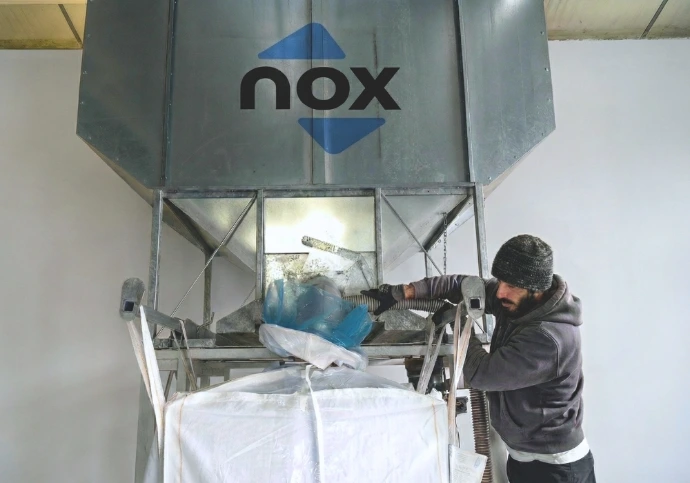
Fully inflate the Nox® Big Bag and position it on your filling hopper. Use the filling calculator to determine the exact amount of grain to insert.
Sealing
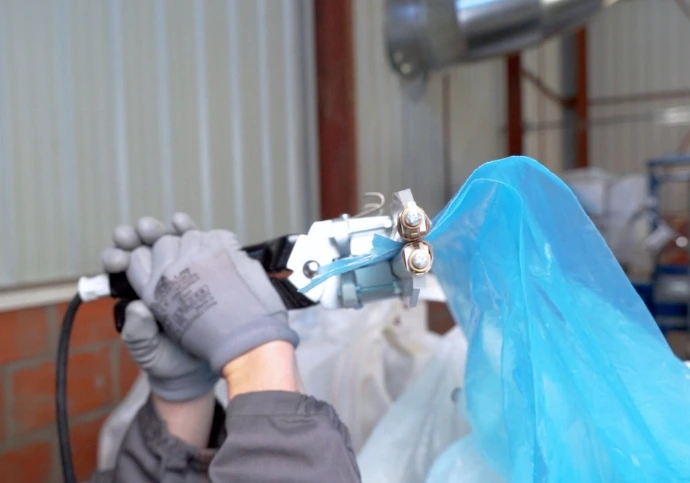
Bend the Nox® Big Bag filling spout into a goose-neck shape to perform the heat welding. Check that the weld is continuous, to ensure the hermetic seal.
Aspiration
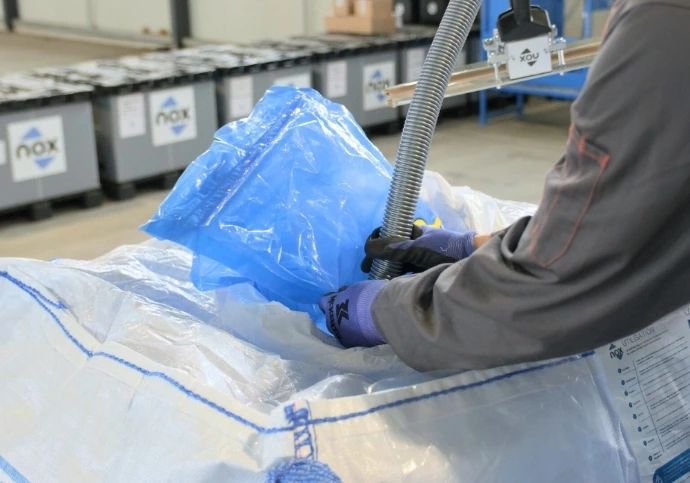
Unscrew the suction valve of the Nox® Big Bag and position it against the grain. Using an external suction system, suck out the air inside until the grain mass is compact.
Injection
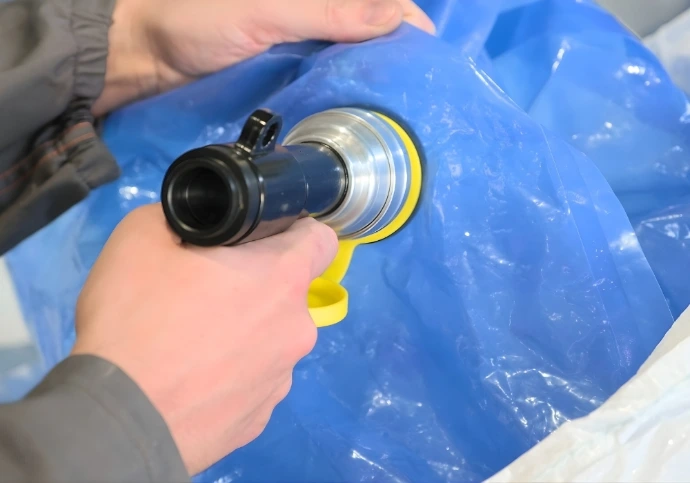
After fitting the injection system, connect it to the injection valve on the Nox® Big Bag . Insert the CO₂ until the hermetic envelope is fully inflated.
Mesurement
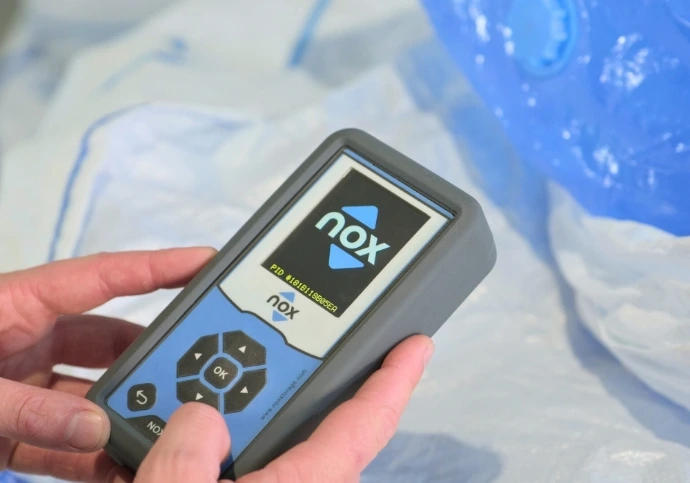
Assemble the measuring system and connect it to the injection valve. Record the CO₂ level indicated by the device to validate proper preservation.
The Noxers share their experiences
" Good system. The big bags don't take up much space when empty. We fill them with a grain sucker, but this requires a little patience and time. "
" Simple and effective. Don't forget to let the air out to empty the bag, otherwise the head of the bag will be sucked into the emptying spout. What else can I say? It's a great idea for chemical-free preservation. "
" I saved 40 tons of beans, representing approximately $100,000 in revenue. On our small farm, that's no small feat. "
" I grow 80 hectares of organic crops, mainly bread wheat and rapeseed, for on-site processing. After validation with my buyer, Nox big bags enabled me to protect my production from humidity and insect threats for several months, at a more attractive cost than storage in a traditional silo. "
" Perfect for seed storage... "
" This enables us to guarantee the maltster a well-preserved barley, free from parasitism, which is his biggest fear. Big bag storage is also easier to manage with regard to rodents. So far, no bags have been damaged by rats. One thing's for sure: if all goes well on the cultivation front, we'll be seeing each other again next year! "
" Limits losses due to bruchid activity. "
" Fitting is quick and easy. The product seems to behave well inside the bags. "
" On the whole, we're satisfied, except that emptying the big bags can be tricky. "
Get your quote within 24 hours
Get in touch with us to obtain your precise quote based on the type of grain to be packaged and the quantity.
The Nox® Bags are reusable
Equipment rental
is possible
Fast delivery&
startup
Referral program
Are you already a user of the Nox® system? Help us spread the word about the solution!
Refer your acquaintances:For each new user, collect 10% of the amount of their first order in Nox gift vouchers.
Nox® Approved Conditioner
Do you regularly carry out work on farms in your area and would you like to offer Nox® packaging to your network? It's possible !
We are currently looking for partners like you.
Built for efficiency, they include four lifting points, a large filling port, and a welded bottom discharge. With a 6:1 safety factor, these bags are designed for multiple reuses; however, the hermetic seal is compromised if the inner liner is punctured.
- not inserting raw product directly from the field.
- bringing your product to the appropriate temperature and humidity standards before packaging."
Yes absolutely, the product to be conditioned must be returned to standard temperature and humidity conditions.
It is therefore necessary to regularly monitor the gas level inside the Nox® Big Bags.
If the hermetic inner layer bag is kept intact, the Nox® Big Bags can be reused multiple times. For reuse:
- Blow out the inside of the Nox® Big Bag.
- Neatly and horizontally cut the discharge spout, then heat-seal it.
- Firmly reattach the two envelopes at the bottom using the strap.
- Regularly measure the CO₂ gas level to ensure there are no leaks.
Want to learn more?
Explore our articles for practical advice, answers and additional insights.