
Understanding Aflatoxins and Their Impact on Agriculture
Aflatoxins are a type of mycotoxin—toxic chemical compounds naturally produced by molds, notably Aspergillus flavus and Aspergillus parasiticus. These fungi flourish in warm, humid environments and primarily affect food and feed crops during storage. According to the World Health Organization (WHO), aflatoxins are responsible for the loss of more than 25% of global food crops each year—a staggering figure that highlights the scale of the problem.
Beyond economic losses, the health risks are severe. At high doses, aflatoxins can be lethal, potentially causing death in just a few days. At lower, more regular doses, the health consequences are diverse:
- Decreased metabolism and growth retardation
- Carcinogenic effects that can affect all organ systems, with aflatoxin B1 being particularly notable
- Mutagenic and genotoxic effects, which can lead to congenital anomalies in children
- Immunosuppression (according to WHO 2018 data)
It is important to note that all animals are impacted by these toxins. The most commonly monitored variants include aflatoxins B1, B2, G1, G2, and M1. These are often found in a wide range of commodities such as wheat, corn (both grain and silage), pistachios, almonds, nuts, cocoa, coffee, and soybeans.
What Conditions Promote Aflatoxin Production?
Molds that produce aflatoxins require specific conditions to develop:
- Temperatures between 6°C and 50°C
- High moisture content (water activity above 80%)
- Carbon and nitrogen-rich environments
Under certain physicochemical stress conditions—such as oxidative stress, the production of free radicals, sudden temperature spikes, high humidity, or contact with unsaturated fatty acids—these fungi begin producing secondary metabolites: the aflatoxins. This means that poor post-harvest handling and inadequate storage are major risk factors.
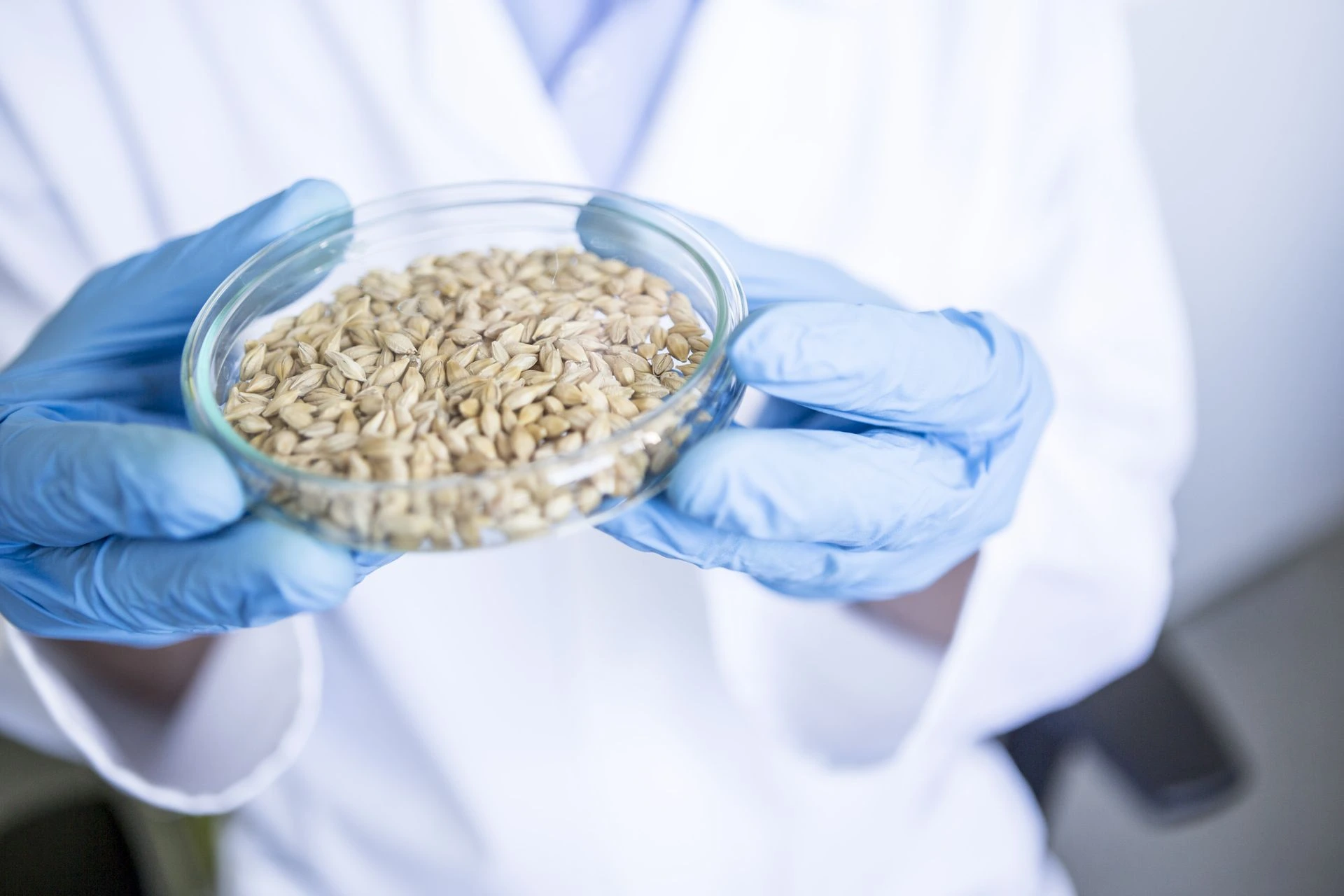
Detecting Aflatoxins in Food and Feed
Aflatoxin detection is a critical component of food safety. While HPLC (High-Performance Liquid Chromatography) coupled with mass spectrometry is the gold standard implemented by official laboratories, more portable testing methods are utilized in silos and factories.
Testing methods include:
- ELISA kits (enzyme-linked immunosorbent assays): accessible and transportable, though less precise than laboratory methods
- Hyperspectral imaging
- Electronic noses
- Molecularly imprinted polymers
These new technologies aim to provide solutions that are faster and cheaper, as well as robust, accessible, and easily transportable for field use in farms, storage silos, and processing facilities.
Preventing Aflatoxin Contamination with Modified Atmosphere Storage
Reducing the risk of aflatoxins requires an integrated approach across the entire food chain, from the field to the consumer's table. Post-harvest storage is particularly critical, and prevention relies heavily on mastering the product's physicochemical parameters (humidity and temperature) and managing outside contaminations (such as insect threats and changes in humidity levels).
One of the most effective, simple, and rapidly developing solutions is Modified Atmosphere (MA) storage. By creating an oxygen-deprived and CO2-rich environment, MA storage inhibits enzymatic activity and disrupts mold metabolism. This naturally halts aflatoxin development and preserves product quality without the need for chemical residues.
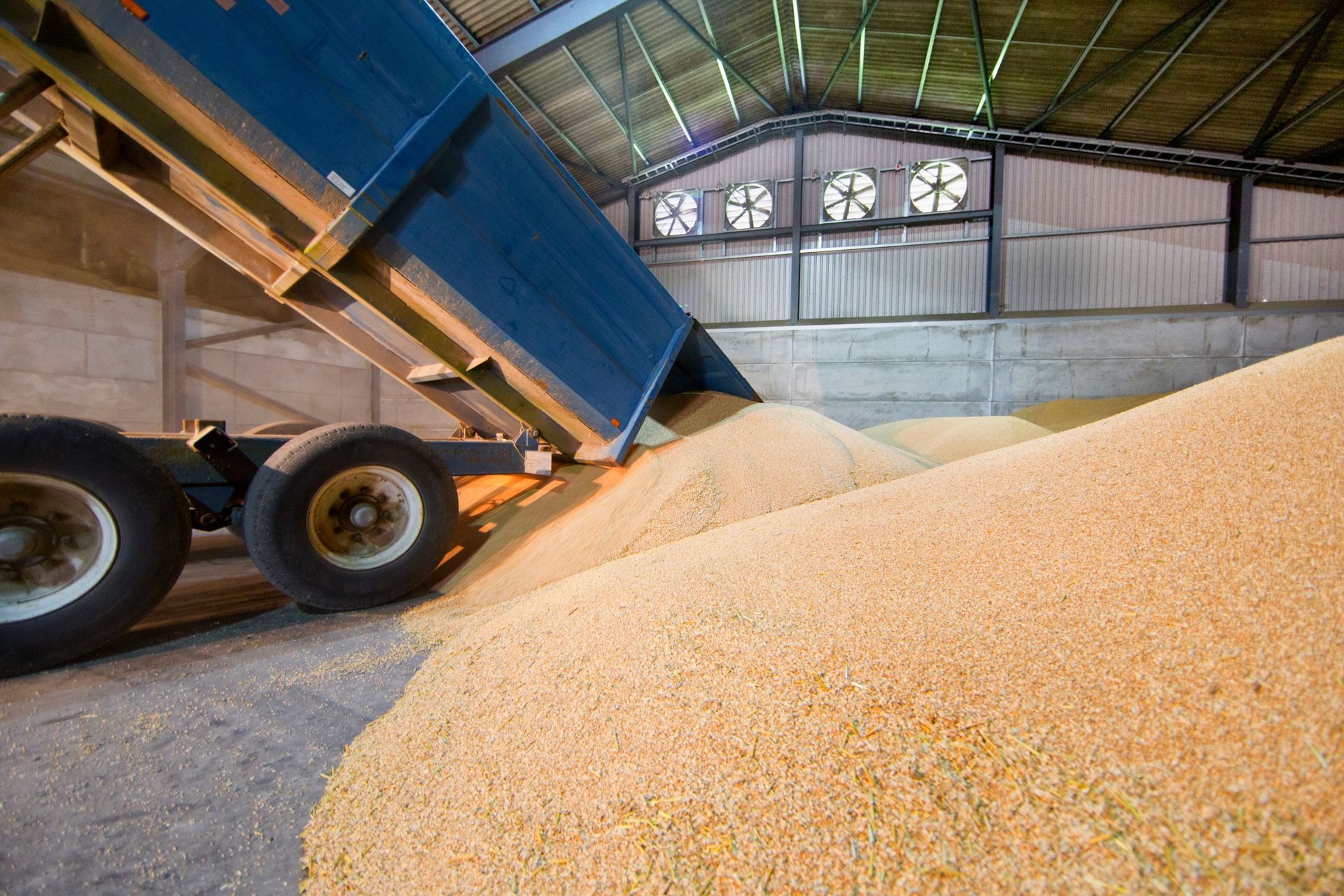
Hermetic Bags for Aflatoxin Control
At Nox Storage, we specialize in hermetic storage solutions designed for the agricultural sector. Our hermetic Nox® Bags allow you to create the optimal sanitary conditions to sustainably store your productions and transport them serenely. They provide an easy and effective way to implement Modified Atmosphere storage across a wide range of commodities.
Benefits include:
- No insect development
- No mold proliferation
- Preserved product integrity
- No chemical residue—100% organic compatible
- Ideal for long-term storage and transport
Our bags are already being used to help farmers, cooperatives, and seed producers protect their valuable harvests.